
How to Install a Package or a Nuc: The Extension Method, Step by Step
Affiliate disclosure: product links on this page go to Amazon, or to the maker's own store for brands that sell only direct. As an Amazon Associate we earn from qualifying purchases, at no extra cost to you; a link to a maker's store earns us nothing. No retailer or brand sees our picks before they are published or has any say in them. How we choose.
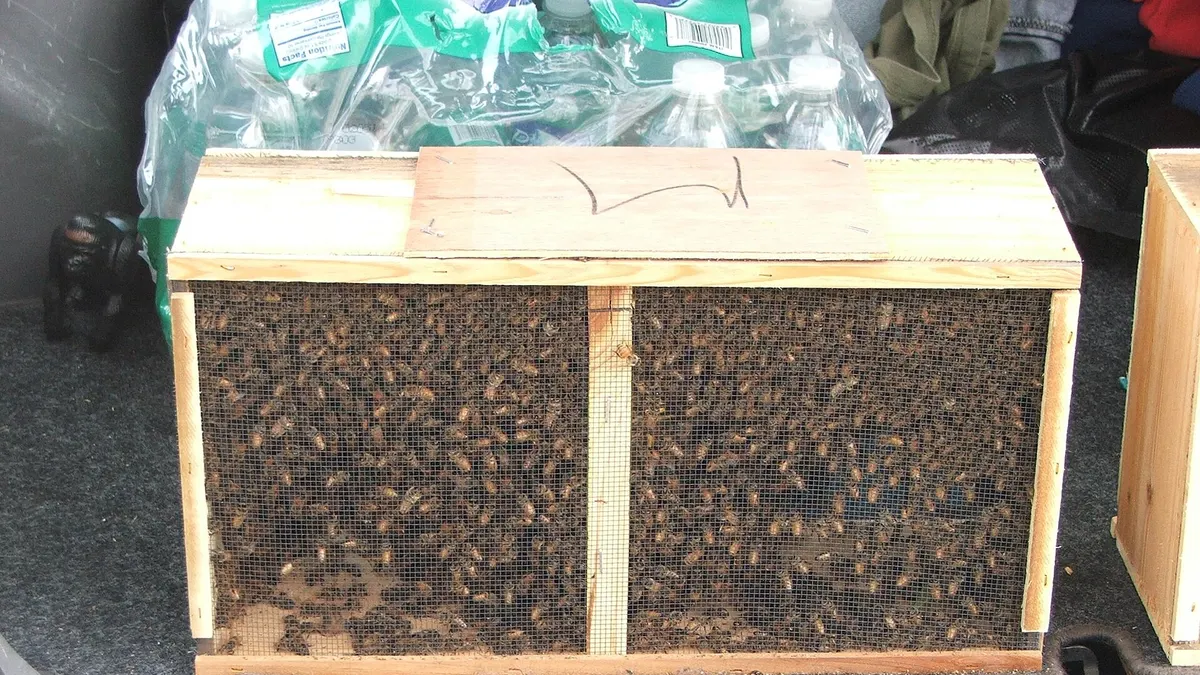
Bees arrive two ways: a package (a screened box of about three pounds of bees with a caged queen and a can of syrup) or a nuc (four or five frames of comb, brood, stores and a laying queen, in a box). Penn State's description is the one to hold onto: a package has no comb and no stores and must be fed heavily; a nuc costs more and is easier because it is already a small colony. This guide is the extension method for each, from Penn State, the University of Georgia, UF/IFAS and Michigan State, with the gear to have ready: a hive (the Hoover Gold Standard), a feeder with gallons of capacity (the Mann Lake top feeder), a smoker, a hive tool, a spray bottle and a veil.
Our top picks at a glance
1. The hive
Hoover Hives Gold Standard 10-Frame Beehive Kit (2 deeps, 1 medium, beeswax dipped)Role: Hive · Why this one: Beeswax dipped, nothing to cure; standard frames a nuc's frames match · Price: About $155
2. The feeder
Mann Lake Top Hive Feeder with Unpainted Wood Super (10-frame)Role: Feeder · Why this one: Penn State: a package must be fed heavily; UGA: feed 1:1 heavily when light · Price: $44
3. The smoker
VIVO Stainless Steel Bee Hive Smoker (BEE-V001)Role: Smoker · Why this one: The 4 x 7 standard with shield and hook, $25 · Price: $25
4. The hive tool
KINGLAKE 10-1/2-inch J Hook Hive Tool, 304 StainlessRole: Hive tool · Why this one: J hook lifts a frame by its lug; 304 stainless, $5.49 · Price: $5.49
| Pick | Role | Why this one | Price | Buy |
|---|---|---|---|---|
| Hoover Hives Gold Standard 10-Frame Beehive Kit (2 deeps, 1 medium, beeswax dipped)The hive | Hive | Beeswax dipped, nothing to cure; standard frames a nuc's frames match | About $155 | Amazon |
| Mann Lake Top Hive Feeder with Unpainted Wood Super (10-frame)The feeder | Feeder | Penn State: a package must be fed heavily; UGA: feed 1:1 heavily when light | $44 | Amazon |
| VIVO Stainless Steel Bee Hive Smoker (BEE-V001)The smoker | Smoker | The 4 x 7 standard with shield and hook, $25 | $25 | Amazon |
| KINGLAKE 10-1/2-inch J Hook Hive Tool, 304 StainlessThe hive tool | Hive tool | J hook lifts a frame by its lug; 304 stainless, $5.49 | $5.49 | Amazon |
The hive
Hoover Hives Gold Standard 10-Frame Beehive Kit (2 deeps, 1 medium, beeswax dipped)
Two deeps and a medium, assembled the week before, with ten frames in the bottom deep ready to receive the bees.
- Role
- Hive
- Why this one
- Beeswax dipped, nothing to cure; standard frames a nuc's frames match
- Price
- About $155
- Ready by
- Install day: one deep on the bottom board, entrance reducer in
Pros
- No paint to cure before the bees
- Standard 10-frame, so a nuc's five frames drop in
- The second deep waits in the garage
Cons
- Assembly the week before
- A package needs only one deep on day one
- Unassembled
Install into one deep with the reducer at its smallest opening (Penn State: reduce the entrance for a new colony). Add the second deep when the bees have drawn most of the first (the seasonal guide). The hives guide has the alternatives.
The feeder
Mann Lake Top Hive Feeder with Unpainted Wood Super (10-frame)
Four gallons of 1:1 on the hive from the first hour, refilled without opening the brood box.
- Role
- Feeder
- Why this one
- Penn State: a package must be fed heavily; UGA: feed 1:1 heavily when light
- Price
- $44
- Ready by
- Install day, filled with 1:1
Pros
- Gallons per fill
- Lift the outer cover only
- Galvanized screen against drowning (listing)
Cons
- Adds a super's height
- Unpainted wood
- Heavy when full
Mix 1:1 by weight (UNH: 5 to 8 lb of sugar in 4 gallons of water makes about 5 gallons); the calculator scales it. Keep feeding until the first deep's comb is drawn. The feeder guide covers the frame and entrance alternatives.
The smoker
VIVO Stainless Steel Bee Hive Smoker (BEE-V001)
Lit and smouldering before the package is opened, even though packages rarely need it.
- Role
- Smoker
- Why this one
- The 4 x 7 standard with shield and hook, $25
- Price
- $25
- Ready by
- Lit 10 minutes before
Pros
- Shield and hook
- VIVO's page states the steel and size
- Cheap
Cons
- Small can; fine for one hive
- Bellows material not stated
- Listing figures for the height
A package is docile (no hive to defend); a nuc is a colony and may not be. Light the smoker for both and use it on the nuc. The smoker guide covers fuel and keeping it lit.
The hive tool
KINGLAKE 10-1/2-inch J Hook Hive Tool, 304 Stainless
For prying the package lid and syrup can, and for lifting the nuc's frames.
- Role
- Hive tool
- Why this one
- J hook lifts a frame by its lug; 304 stainless, $5.49
- Price
- $5.49
- Ready by
- In your pocket
Pros
- Hook for the nuc's frames
- Pries the package lid
- Red, so it is found again
Cons
- Paint wears
- No nail slot
- Listing figures only
The package lid is stapled; the syrup can sits in a hole in the top and is lifted out with the tool's end. The tool guide has the standard-pattern alternative.
Before the bees arrive
Order the fall before (Penn State; packages sell out). A 3-pound package is Penn State's best buy, about 10,000 workers; 2- and 5-pound packages exist. A nuc is 4 or 5 frames with a laying queen, on Langstroth frames (Michigan State: most suppliers sell nucs on Langstroth dimensions; check before buying if you run 8-frame or anything else). Have the hive assembled and on its stand, the feeder filled with 1:1, the smoker lit, a spray bottle of 1:1 syrup, and the veil on. Register the apiary where the state requires it: Pennsylvania and Florida for any number of colonies, Oregon at five or more; Michigan has no registration (the state-by-state registration rules give every state's deadline and fee).
Installing a package
This is Penn State's method with UGA's queen-cage detail.
- Spray the bees through the screen lightly with 1:1 syrup (Penn State); fed bees cluster and do not fly.
- Remove three to five frames from the centre of the deep (Penn State).
- Pry the package lid off, lift out the syrup can and the queen cage, and put the lid back loosely.
- Check the queen is alive. Remove the cork from the candy end of the cage (UGA) and, if there is no candy, puncture or expose it so the bees eat her out over days (Penn State). Hang the cage between the centre frames with the candy end up (UGA), screen side open to the bees.
- Shake the bees from the package into the gap where the frames were, in two or three firm shakes; set the package in front of the entrance for the stragglers.
- Replace the frames gently; the bees move out of the way. Put the inner cover and the feeder on, the outer cover over, the entrance reducer at its smallest.
- Leave them three to five days (Penn State). Then check that the queen is out; if she is not, release her by hand (Penn State: manual release after 3 to 5 days). Do not pull frames or look for eggs for about a week after that.
Feed continuously. Penn State's description of a package is a colony with nothing: no comb, no stores. UGA: feed 1:1 heavily when the hive is light.
Installing a nuc
UF/IFAS's hiving method.
- Set the nuc box on or beside the hive stand for a day if you can, so the foragers orient to the spot.
- Smoke the entrance and under the lid. Remove five frames from the centre of the deep.
- Lift each nuc frame out in the order it sits and place it in the deep in the same order and orientation, brood in the middle (UF/IFAS: the nuc's five frames go in the centre).
- Shake the remaining bees from the nuc box into the hive; set the box at the entrance.
- Fill the sides with the remaining frames, close up, reduce the entrance, feed.
- Do not release or disturb the queen on day one (UF/IFAS); check after four days for eggs and a laying pattern.
The first weeks
Inspect every two weeks from late spring to early summer (Penn State's seasonal guide), looking for eggs and larvae, drawn comb and stores. Add the second deep when the bees are on seven or eight of ten frames. Keep the feeder on until the comb is drawn. Watch for a queen that is not laying after two weeks; the supplier is the first call.
Package or nuc
| Package | Nuc | Source | |
|---|---|---|---|
| What arrives | About 3 lb of bees, caged queen, syrup can; no comb | 4 to 5 frames of comb, brood, stores, laying queen | Penn State |
| Price | Lower | Higher | Penn State |
| Feeding | Heavy from day one | Yes, but with stores to start | Penn State |
| Queen | Caged; released over days | Already laying; not released, not disturbed day one | Penn State; UF/IFAS |
| Fits | Any hive | Langstroth frames; check the size | Michigan State |
| First check | Queen out after 3 to 5 days | Eggs after 4 days | Penn State; UF/IFAS |
Local bees
UGA's advice is to buy two established colonies locally if you can; Michigan State's is to join a club first and buy from a local supplier. A nuc from a nearby beekeeper on your frame size, inspected before purchase, is the easiest start there is. The how-many-hives guide covers why two.
Frequently asked questions
How long do I leave the queen cage in a package?
Three to five days (Penn State Extension). Remove the cork from the candy end so the bees eat her out; if she is still caged after five days, release her by hand. Do not inspect frames for about a week after.
Should I spray the package with syrup?
Yes, lightly, through the screen with 1:1 syrup before opening it (Penn State). Fed bees cluster and are easier to shake into the hive.
How much should I feed a new package?
Continuously until the first box's comb is drawn. Penn State describes a package as a colony with no comb or stores that must be fed heavily; a top feeder holding gallons (Mann Lake's 4 gallons) takes the fewest trips.
When do I check a nuc after installing it?
After four days, for eggs and a laying pattern (UF/IFAS). Do not release or disturb the queen on day one.
Do nuc frames fit my hive?
Most suppliers sell nucs on Langstroth-dimension frames (Michigan State Extension), which fit any Langstroth deep. Confirm deep frames and your frame width before buying; a nuc does not fit a top bar or Warré hive.
Package or nuc for a beginner?
A nuc costs more and is easier: comb, brood, stores and a laying queen already in place (Penn State). A package is cheaper and fits any hive but must be fed heavily and its queen released over days. UGA's and Michigan State's advice is local bees either way.
Sources
- Installing Packaged Bees, Penn State Extension
- Beekeeping - Honey Bees, Penn State Extension
- Seasonal Beekeeping Guide, Penn State Extension
- Installing a Package (Honey Bee Program), University of Georgia Honey Bee Program
- Hiving a Nuc (Honey Bee Research and Extension Laboratory), UF/IFAS Honey Bee Research and Extension Laboratory
- Transferring and placing honey bees this spring, Michigan State University Extension
- 4-H Beekeeping Project Manual, University of New Hampshire Extension
- How do I source bees for a new beehive box?, Oregon State University Extension
Cover photo: Standard Package of Bees by Chris Severn, CC BY-SA 3.0, via Wikimedia Commons. Cropped.
Related guides
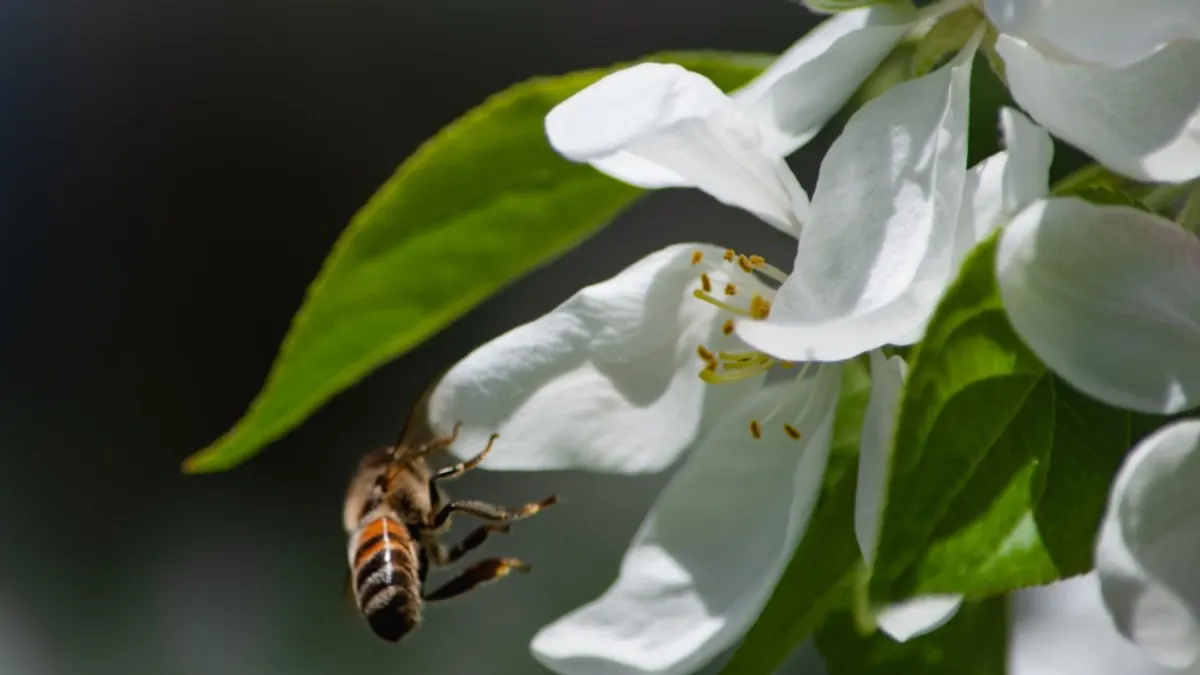
Beekeeping Seasonal Calendar: What to Do Each Season, From the Extension Guides
The year in five seasons from the extension guides: feeding, inspections, mite counts, supers, harvest, winter prep, and the gear for each.
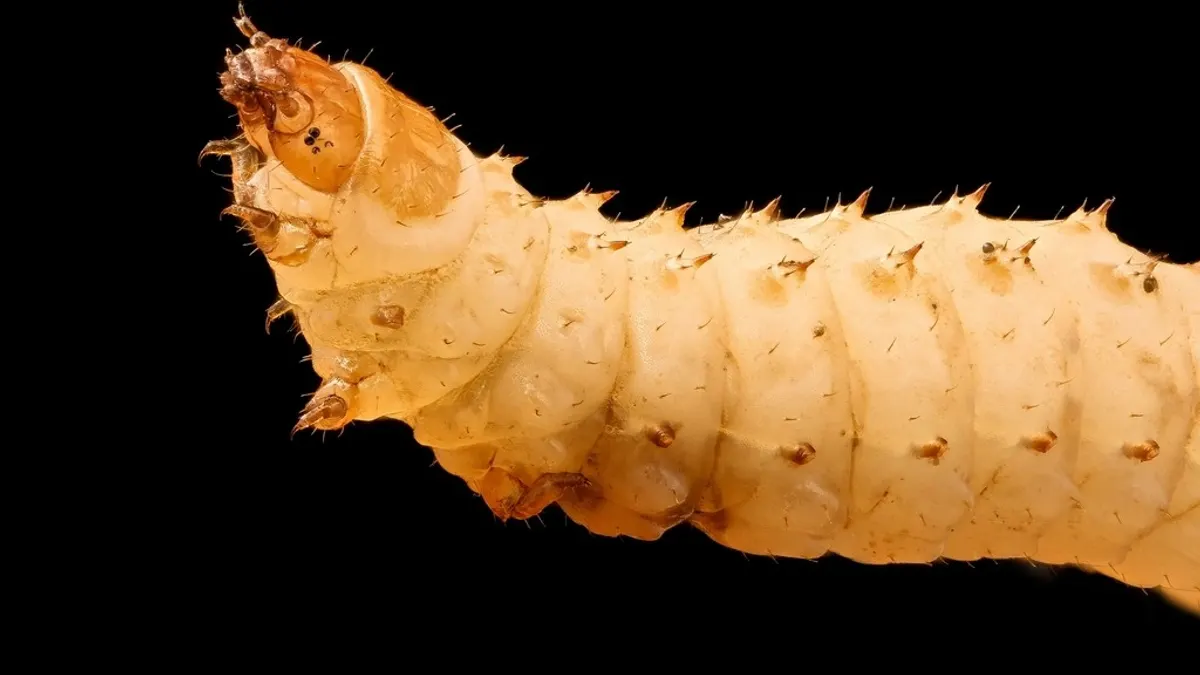
Best Small Hive Beetle Traps of 2026: Oil Traps and Screened Bottom Boards
Three in-frame oil traps and two screened bottom boards, with UF/IFAS's integrated beetle management and what goes in the trap.
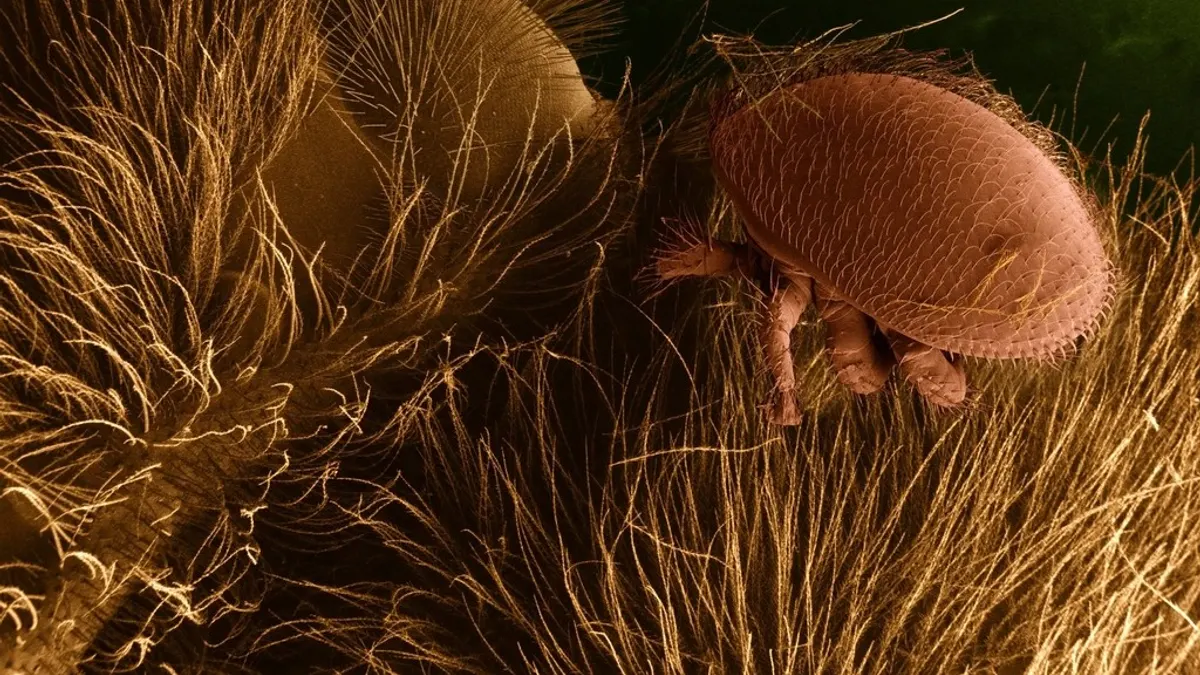
Best Varroa Mite Monitoring Kits and Treatments of 2026: EasyCheck and Labels
Two EasyCheck washers, the HBHC thresholds by season, and four labelled treatments with their timing, temperature and super rules.