
Best Varroa Mite Monitoring Kits and Treatments of 2026: EasyCheck and Labels
Affiliate disclosure: product links on this page go to Amazon, or to the maker's own store for brands that sell only direct. As an Amazon Associate we earn from qualifying purchases, at no extra cost to you; a link to a maker's store earns us nothing. No retailer or brand sees our picks before they are published or has any say in them. How we choose.
Varroa is managed by counting, and the count is a sample of about 300 bees from a brood frame washed in alcohol (or shaken in sugar) in a cup with a mesh basket. The Varroa EasyCheck ($31 from Mann Lake, $27 as the Foxhound-sold version; the same Véto-pharma design with moulded 200- and 300-bee lines) is the tool. The thresholds are the Honey Bee Health Coalition's: under 1 percent in the dormant season, under 2 percent in population increase and at the peak, and treat at 2 to 3 percent. The treatments are pesticides whose labels are the law; the four here, Apiguard (thymol gel, $43 for ten 50 g trays), Apivar 2.0 (amitraz strips, $30 for four), Formic Pro (formic acid, $30 for two doses) and VarroxSan (oxalic acid strips, $42 for twenty), are summarised from their labels for timing, temperature and whether honey supers can be on, and nothing here replaces reading the label that comes in the box.
Our top picks at a glance
1. Best monitoring tool
Mann Lake Varroa EasyCheckType: Mite wash cup with mesh basket · Active or method: Alcohol wash, powdered sugar roll or CO2 (per the Amazon listing) · Pack: One; $25.99 on Mann Lake's own site
2. Same tool, lower price
Varroa EasyCheck (Veto-pharma), sold by FoxhoundType: Mite wash cup with mesh basket · Active or method: Alcohol wash, sugar roll or CO2 (per the Amazon listing) · Pack: One
3. Thymol gel
Apiguard Thymol Varroa Treatment, 10 x 50 gType: Treatment, slow-release gel · Active or method: Thymol 25 percent (per the Amazon listing) · Pack: 10 x 50 g trays (five treatments of two)
4. Amitraz strips
Apivar 2.0 Amitraz Strips, 4 StripsType: Treatment, strips between brood frames · Active or method: Amitraz (per the Amazon listing) · Pack: 4 strips (two per brood chamber on the label: one 10-frame hive)
5. Formic acid
Formic Pro Varroa Treatment, 2-DoseType: Treatment, pads on the brood frames · Active or method: Formic acid (NOD Apiary Products) · Pack: 2 doses
6. Oxalic acid strips
VarroxSan Oxalic Acid Strips, 20 StripsType: Treatment, strips between brood frames · Active or method: Oxalic acid dihydrate with glycerin on cardboard (per the Amazon listing) · Pack: 20 strips (five brood chambers)
| Pick | Type | Active or method | Pack | Buy |
|---|---|---|---|---|
| Mann Lake Varroa EasyCheckBest monitoring tool | Mite wash cup with mesh basket | Alcohol wash, powdered sugar roll or CO2 (per the Amazon listing) | One; $25.99 on Mann Lake's own site | Amazon |
| Varroa EasyCheck (Veto-pharma), sold by FoxhoundSame tool, lower price | Mite wash cup with mesh basket | Alcohol wash, sugar roll or CO2 (per the Amazon listing) | One | Amazon |
| Apiguard Thymol Varroa Treatment, 10 x 50 gThymol gel | Treatment, slow-release gel | Thymol 25 percent (per the Amazon listing) | 10 x 50 g trays (five treatments of two) | Amazon |
| Apivar 2.0 Amitraz Strips, 4 StripsAmitraz strips | Treatment, strips between brood frames | Amitraz (per the Amazon listing) | 4 strips (two per brood chamber on the label: one 10-frame hive) | Amazon |
| Formic Pro Varroa Treatment, 2-DoseFormic acid | Treatment, pads on the brood frames | Formic acid (NOD Apiary Products) | 2 doses | Amazon |
| VarroxSan Oxalic Acid Strips, 20 StripsOxalic acid strips | Treatment, strips between brood frames | Oxalic acid dihydrate with glycerin on cardboard (per the Amazon listing) | 20 strips (five brood chambers) | Amazon |
Best monitoring tool
Mann Lake Varroa EasyCheck
The Véto-pharma EasyCheck with moulded 200- and 300-bee lines, for alcohol wash, sugar roll or CO2, $31.
- Type
- Mite wash cup with mesh basket
- Active or method
- Alcohol wash, powdered sugar roll or CO2 (per the Amazon listing)
- Pack
- One; $25.99 on Mann Lake's own site
- Sample lines
- 200 and 300 bees moulded in the basket (per the Amazon listing)
Pros
- The 300-bee line matches the HBHC sample size
- Three methods in one cup
- Mann Lake's page has the instructions
Cons
- Alcohol wash kills the sample (about 300 bees); the sugar roll does not
- $5 more on Amazon than at Mann Lake
- Listing figures only
Mann Lake's Varroa EasyCheck is listed with a filter basket and moulded lines for 200- or 300-bee samples, for alcohol wash, powdered sugar roll or the CO2 method; Mann Lake's own page lists it at $25.99. The Honey Bee Health Coalition's guide samples about 300 bees from a brood frame: mites found divided by 300, times 100, is the percent (12 mites is 4 percent). An alcohol wash kills the sample; a sugar shake does not and under-counts somewhat.
Same tool, lower price
Varroa EasyCheck (Veto-pharma), sold by Foxhound
The same patented Véto-pharma EasyCheck sold by Foxhound Bee Company, $27.
- Type
- Mite wash cup with mesh basket
- Active or method
- Alcohol wash, sugar roll or CO2 (per the Amazon listing)
- Pack
- One
- Sample lines
- Moulded measuring lines (per the Amazon listing)
Pros
- $4 less than the Mann Lake listing
- Same patented design (listing)
- US bee supply seller
Cons
- Same tool, so no difference beyond price and seller
- Listing figures only
- Alcohol not included
Foxhound's listing describes the patented Véto-pharma design with a measuring basket and three methods. Buy whichever is cheaper the day you look; they are the same cup.
Thymol gel
Apiguard Thymol Varroa Treatment, 10 x 50 g
Apiguard: 25 percent thymol gel, two 50 g trays two weeks apart, 60 to 105 °F, not during a honey flow, $43 for ten trays.
- Type
- Treatment, slow-release gel
- Active or method
- Thymol 25 percent (per the Amazon listing)
- Pack
- 10 x 50 g trays (five treatments of two)
- Label
- Two 50 g trays two weeks apart; 60 to 105 °F; not during a honey flow (label)
Pros
- Organic-acid-free thymol; the bees tolerate it when used as the label says
- Ten trays treat five colonies
- No strips to remove
Cons
- Temperature window
- Supers off
- Bees may beard and move stores while it works
Vita Bee Health's Apiguard is listed as a slow-release thymol gel (25 percent), applied by peeling the tray lid and setting it gel-side up on the brood frames. Its label: one 50 g tray, a second two weeks later, at 60 to 105 °F, not during a honey flow. Read the full label in the box.
Amitraz strips
Apivar 2.0 Amitraz Strips, 4 Strips
Apivar 2.0: amitraz on controlled-release strips, 42 days with no brood or 70 with brood, no temperature constraint, $30 for four strips.
- Type
- Treatment, strips between brood frames
- Active or method
- Amitraz (per the Amazon listing)
- Pack
- 4 strips (two per brood chamber on the label: one 10-frame hive)
- Label
- 42 days without brood, 70 days with brood; no temperature constraint; supers off per the label (label)
Pros
- No temperature window
- Two strips treat a brood chamber
- Véto-pharma's manufacturer page carries the label
Cons
- Long treatment; strips must come out on time
- Honey supers cannot be on (the original Apivar label: remove 14 days before supers go on)
- Amitraz resistance is reported; count after treatment
Apivar 2.0 is listed as amitraz in controlled-release polymer strips placed between brood frames per the label. The label we read: 42 days when no brood is present, 70 with brood, no temperature constraint; the original Apivar label calls for two strips per brood chamber for 42 days (56 maximum) and removal 14 days before supers go on. Count mites after the strips come out; the count is the only proof it worked.
Formic acid
Formic Pro Varroa Treatment, 2-Dose
Formic Pro: formic acid pads, 50 to 85 °F for the first three days, 14 or 20 days, supers can stay on, not for new splits, $30 for two doses.
- Type
- Treatment, pads on the brood frames
- Active or method
- Formic acid (NOD Apiary Products)
- Pack
- 2 doses
- Label
- 50 to 85 °F for the first three days; 14-day or 20-day option; honey supers may stay on; not for new splits (label)
Pros
- Reaches mites under the cappings (the listing's claim, and the reason formic is used)
- Supers on
- Compostable pads
Cons
- Narrow temperature window; queen losses reported outside it
- Not for new splits
- Gloves and care in handling, per the label
NOD's Formic Pro is listed as an organic formic acid treatment that kills mites under the cell cap, with two application options described on the label: the 14-day full dose and a 20-day staggered option. The label we read: 50 to 85 °F for the first three days, honey supers may remain on, not for use on new splits. Follow the label's handling instructions exactly.
Oxalic acid strips
VarroxSan Oxalic Acid Strips, 20 Strips
VarroxSan: oxalic acid on cardboard strips, four per brood chamber, 42 to 56 days, for colonies at 1 to 2 percent, $42 for twenty strips.
- Type
- Treatment, strips between brood frames
- Active or method
- Oxalic acid dihydrate with glycerin on cardboard (per the Amazon listing)
- Pack
- 20 strips (five brood chambers)
- Label
- Four strips per brood chamber; 42 to 56 days; treat at 1 to 2 percent (label)
Pros
- Extended-release oxalic acid for a brood period
- The listing states it can be used with supers on
- Twenty strips treat five brood chambers
Cons
- For moderate counts (1 to 2 percent per the label), not a rescue
- Long treatment
- The listing's efficacy figure is the seller's; count afterwards
VarroxSan is listed as oxalic acid dihydrate and glycerin on a cardboard matrix, hung between frames for 42 to 56 days, with 20 strips treating 5 to 10 colonies per the listing. The label we read: four strips per brood chamber, 42 to 56 days, treat at 1 to 2 percent. It is the slow oxalic option for a colony with brood; the dribble and vapour methods are for broodless periods and are not reviewed here.
How we chose
The monitoring tool was judged on sample-size markings and methods; the treatments were summarised from their labels and listings on October 9, 2026 for active ingredient, dose, duration, temperature window and super status. The label in the box is the authority; where a label and a listing disagree, the label wins, and a product used off-label is a violation of federal law.
Varroa is the stressor beekeepers report most often in every quarter of USDA's colony survey since 2015, affecting 22.2% of colonies from April to June 2026; the colony loss tracker has every quarter by state.
How to sample
- Take a frame of open brood from the brood nest (check that the queen is not on it).
- Shake or scoop about 300 bees into the EasyCheck basket (the 300 line).
- Add alcohol (or washer fluid) to cover, cap, swirl for about a minute; or add powdered sugar, roll, rest and shake out over white paper.
- Count the mites. Mites divided by 300, times 100, is the percent: 12 mites is 4 percent (HBHC).
- Sample every colony if you have fewer than ten (HBHC).
The thresholds
| Colony phase | Acceptable | Control needed |
|---|---|---|
| Dormant (winter, no brood) | Under 1 percent | Over 1 percent |
| Population increase (spring) | Under 2 percent | Over 2 to 3 percent |
| Peak population (summer) | Under 2 percent | Over 3 percent |
| Population decrease (late summer, fall) | Under 2 percent | Over 2 to 3 percent |
Source: Honey Bee Health Coalition, Tools for Varroa Management, 8th edition, Table 1. Sample monthly from spring through fall and after every treatment.
The treatments, by label
| Product | Active | Dose and duration | Temperature | Supers on |
|---|---|---|---|---|
| Apiguard | Thymol 25 percent | 50 g tray, second after two weeks | 60 to 105 °F | No; not during a honey flow |
| Apivar (original) | Amitraz | 2 strips per brood chamber, 42 days (56 max) | None stated | No; remove 14 days before supers |
| Apivar 2.0 | Amitraz | 42 days no brood, 70 with brood | None stated | No |
| Formic Pro | Formic acid | 14 or 20 days | 50 to 85 °F first three days | Yes |
| VarroxSan | Oxalic acid | 4 strips per brood chamber, 42 to 56 days | Not stated on the label we read | Yes (listing) |
Rotate actives across seasons; the HBHC guide explains why a single chemistry breeds resistance. Oxalic acid dribble and vapour, for broodless colonies, are in the HBHC guide and not reviewed here.
When to count
Penn State's seasonal guide times the broodless oxalic treatment for winter and has brood rearing starting mid-February in the Northeast; the HBHC phases above follow the colony, not the calendar. A late-summer count is the one that decides whether the colony sees spring, because the winter bees are being raised then (Penn State: August to September).
What to skip
Skip treating without a count; you will not know if it worked and you will breed resistance. Skip drone-brood removal or screened bottom boards as the only control; they are HBHC cultural tools that lower counts, not treatments. And skip any product not labelled for honey bees in the United States.
Frequently asked questions
How do I check for Varroa mites?
Wash about 300 bees from a brood frame in alcohol (or roll them in powdered sugar) in a cup with a mesh basket such as the Varroa EasyCheck ($27 to $31). Mites counted divided by 300, times 100, is the percent (Honey Bee Health Coalition).
What mite count needs treatment?
The Honey Bee Health Coalition's thresholds: over 1 percent in winter, over 2 to 3 percent in spring and fall, over 3 percent at summer peak. Under 2 percent in the active season is acceptable.
Which Varroa treatment can I use with honey supers on?
Formic Pro's label allows supers on; VarroxSan's listing says it can be used with supers. Apiguard's label says not during a honey flow, and Apivar's says remove strips 14 days before supers go on. Read the label in the box.
What temperature does Formic Pro need?
50 to 85 °F for the first three days of treatment, per its label; outside that window queen losses are reported. Apiguard needs 60 to 105 °F; Apivar has no temperature constraint.
Does an alcohol wash kill the bees?
Yes, the roughly 300 bees in the sample. A powdered sugar roll does not kill them and under-counts somewhat. The EasyCheck does both.
How often should I count mites?
Monthly from spring through fall, and after every treatment to confirm it worked (Honey Bee Health Coalition). Sample every colony if you have fewer than ten.
Sources
- Tools for Varroa Management (8th edition), Honey Bee Health Coalition
- Varroa EasyCheck, Mann Lake
- Apiguard label, Vita Bee Health
- Apivar and Apivar 2.0 labels, Véto-pharma
- Formic Pro label, NOD Apiary Products
- VarroxSan label, Vita Bee Health
- Seasonal Beekeeping Guide, Penn State Extension
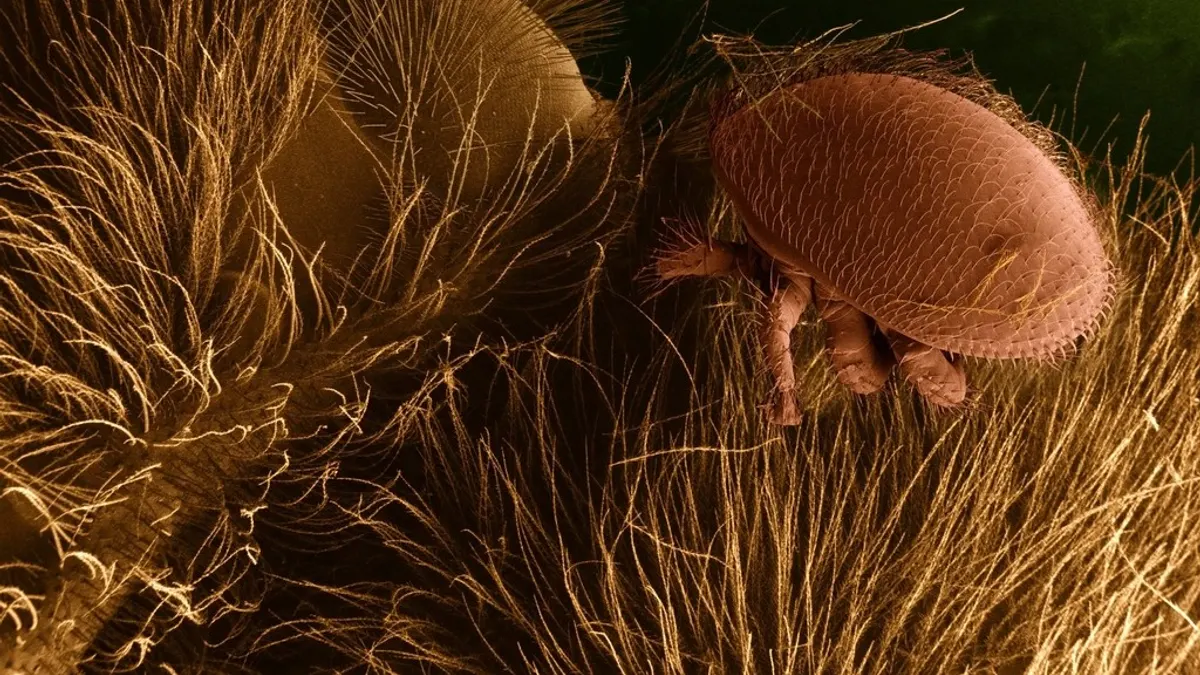
Cover photo: Varroa destructor on honeybee host, CC0 1.0, via rawpixel. Cropped.
Related guides
Beekeeping Seasonal Calendar: What to Do Each Season, From the Extension Guides
The year in five seasons from the extension guides: feeding, inspections, mite counts, supers, harvest, winter prep, and the gear for each.
Best Small Hive Beetle Traps of 2026: Oil Traps and Screened Bottom Boards
Three in-frame oil traps and two screened bottom boards, with UF/IFAS's integrated beetle management and what goes in the trap.
How Many Hives to Start With: Why Extension Says Two, and What It Costs
Why two hives beat one, what the second costs, spacing and layout, and the state registration rules we found.