
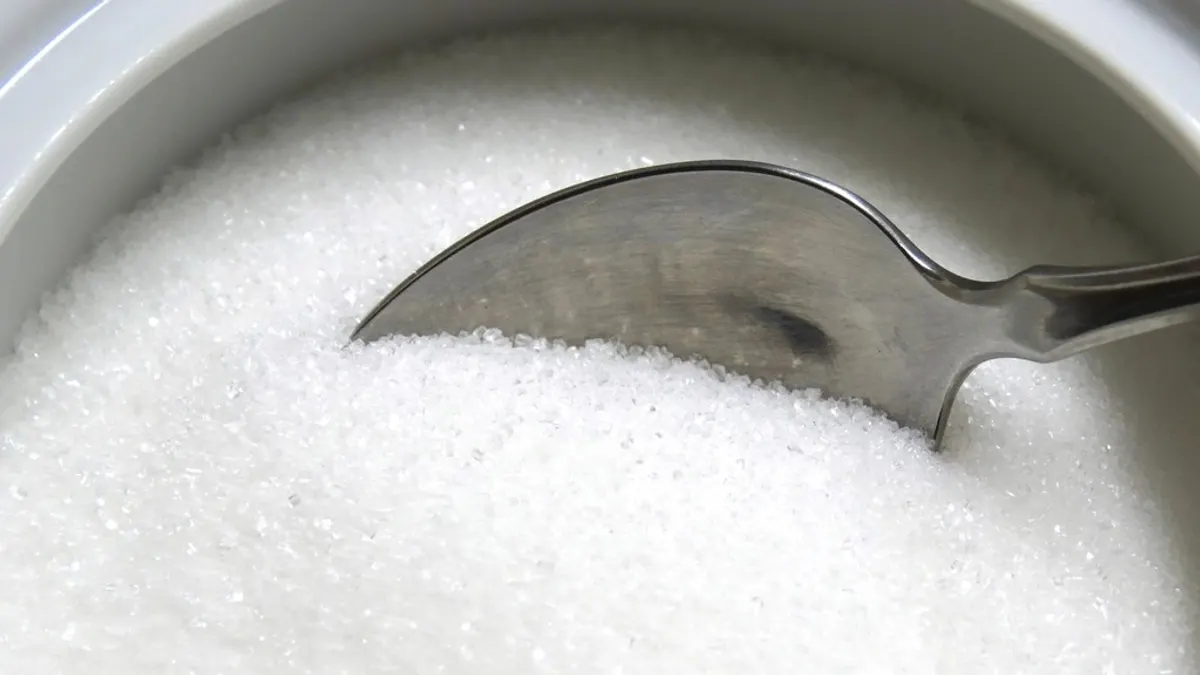
Sugar Syrup and Feeding Calculator: 1:1 and 2:1 by Weight, Gallons to Pounds
Affiliate disclosure: product links on this page go to Amazon, or to the maker's own store for brands that sell only direct. As an Amazon Associate we earn from qualifying purchases, at no extra cost to you; a link to a maker's store earns us nothing. No retailer or brand sees our picks before they are published or has any say in them. How we choose.
Bee syrup is mixed by weight: 1:1 is a pound of sugar to a pound of water, 2:1 is two pounds of sugar to one of water. Water weighs 8.345 pounds a gallon, so a gallon of water takes 8.3 pounds of sugar for 1:1 and 16.7 for 2:1; granulated sugar runs about 2.25 cups to the pound, which the calculator also shows. Enter the ratio and the gallons of water and read off the sugar. The rules for which ratio and when are below, from the University of New Hampshire's 4-H manual, Penn State, the University of Georgia, UF/IFAS and Oregon State.
Sugar syrup mixing
1 for 1:1 spring syrup, 2 for 2:1 fall syrup.
Start from the water; the syrup yield is larger.
Sugar
8.3 lb
about 19 cups
Water
8.3 lb
4 quarts
Ratio by weight
1:1
sugar to water
Syrup ratios are by weight: 1:1 (one pound of sugar per pound of water) for spring stimulation and building comb, 2:1 (two pounds of sugar per pound of water) for fall feeding, as the extension guides on the page describe. Water weighs 8.345 pounds a gallon; granulated sugar is about 2.25 cups a pound. Dissolve the sugar in hot (not boiling) water and let it cool before feeding.
Which ratio, when
| Ratio | When | Why | Source |
|---|---|---|---|
| 1:1 | April to May; a new package; a light colony in spring | Thin syrup stimulates brood rearing and comb building | UNH 4-H manual; Penn State (packages must be fed heavily); UGA (feed 1:1 heavily when light) |
| 2:1 | September to October | Thick syrup is stored for winter with less water to evaporate | UNH 4-H manual; UF/IFAS (2:1 by volume in its version) |
| None (fondant or dry sugar) | Winter; daytime below about 57 °F | Bees cannot evaporate syrup in the cold | Penn State (fondant in winter); Oregon State (stop syrup below 57 °F); HBHC uses 50 °F |
UNH's recipes, for checking the calculator
The 4-H manual's 1:1: 5 to 8 pounds of sugar in 4 gallons of water makes about 5 gallons of syrup. Its 2:1: 9 to 13 pounds in 4 gallons. Those are lighter than the strict by-weight figures the calculator gives (4 gallons of water is 33.4 pounds, so strict 1:1 is 33 pounds of sugar), because the manual's recipes are the traditional thin and thick syrups by volume rather than by weight. Either works; the bees take what they are given and evaporate the rest. The calculator is the by-weight version because the extension guides describe the ratios that way.
How to mix
- Heat the water to hot, not boiling (UNH: do not boil; caramelised sugar harms bees).
- Take it off the heat and stir in the sugar until clear.
- Cool to lukewarm before feeding.
- Plain white cane or beet sugar only; no brown sugar, no honey from an unknown hive.
How much a hive takes
A package has no comb and no stores (Penn State) and takes gallons while it draws its first box; UGA's winter minimum is 60 pounds of stores in Georgia, and UF/IFAS puts the North at about 90 pounds of honey. Weigh or heft in fall and feed 2:1 until the hive is at weight. The feeder guide matches feeder capacity to the job (a top feeder holds 4 gallons; an entrance jar a quart), and the startup cost calculator prices the sugar at the BLS average.
Weights used
| Figure | Value |
|---|---|
| Water | 8.345 lb per US gallon |
| Granulated sugar | About 2.25 cups per pound |
| 1 gallon of water, 1:1 | 8.3 lb of sugar |
| 1 gallon of water, 2:1 | 16.7 lb of sugar |
What not to do
Do not open-feed (a bucket in the yard feeds every colony and wasp around and starts robbing). Do not feed syrup in the cold. Do not feed with supers on that you intend to harvest; the bees store syrup in them. And do not boil the sugar.
Frequently asked questions
How much sugar for 1:1 syrup?
By weight, a pound of sugar per pound of water: 8.3 pounds per gallon of water. UNH's traditional recipe is lighter, 5 to 8 pounds in 4 gallons of water for about 5 gallons of syrup; both are fed as spring syrup.
How much sugar for 2:1 syrup?
Two pounds of sugar per pound of water: 16.7 pounds per gallon of water. UNH's recipe is 9 to 13 pounds in 4 gallons. It is the fall syrup (September to October, UNH) for building winter stores.
When do I feed 1:1 and when 2:1?
1:1 in spring (April to May, UNH) and for a new package; 2:1 in fall (September to October, UNH) until the hive reaches winter weight (UGA: 60 lb of stores in Georgia; UF/IFAS: about 90 lb of honey in the North).
When should I stop feeding syrup?
When daytime temperatures drop below about 57 °F (Oregon State; the Honey Bee Health Coalition uses 50 °F). Winter feed is fondant or dry sugar on top (Penn State).
Should I boil the syrup?
No. Heat the water, take it off the heat and stir in the sugar; UNH's manual says not to boil, because caramelised sugar harms bees. Cool before feeding.
Can I use brown sugar or honey?
Plain white cane or beet sugar only. Brown sugar and molasses cause dysentery in bees, and honey from an unknown hive can carry disease.
Sources
- 4-H Beekeeping Project Manual, University of New Hampshire Extension
- Installing Packaged Bees, Penn State Extension
- Seasonal Beekeeping Guide, Penn State Extension
- Feeding Honey Bees, University of Georgia Honey Bee Program
- Welcome to the Apiary! Honey Bee 4-H Project Book (4H446), UF/IFAS Extension
- How do I source bees for a new beehive box?, Oregon State University Extension
- Tools for Varroa Management (8th edition), Honey Bee Health Coalition
Cover photo: White sugar background, CC0 1.0, via rawpixel. Cropped.
Related guides
Beekeeping Startup Cost Calculator: What the First Year Costs, Hive by Hive
Per-hive and one-time costs for the first year, with every default priced from a named supplier or listing on October 9, 2026.
Beekeeping Seasonal Calendar: What to Do Each Season, From the Extension Guides
The year in five seasons from the extension guides: feeding, inspections, mite counts, supers, harvest, winter prep, and the gear for each.
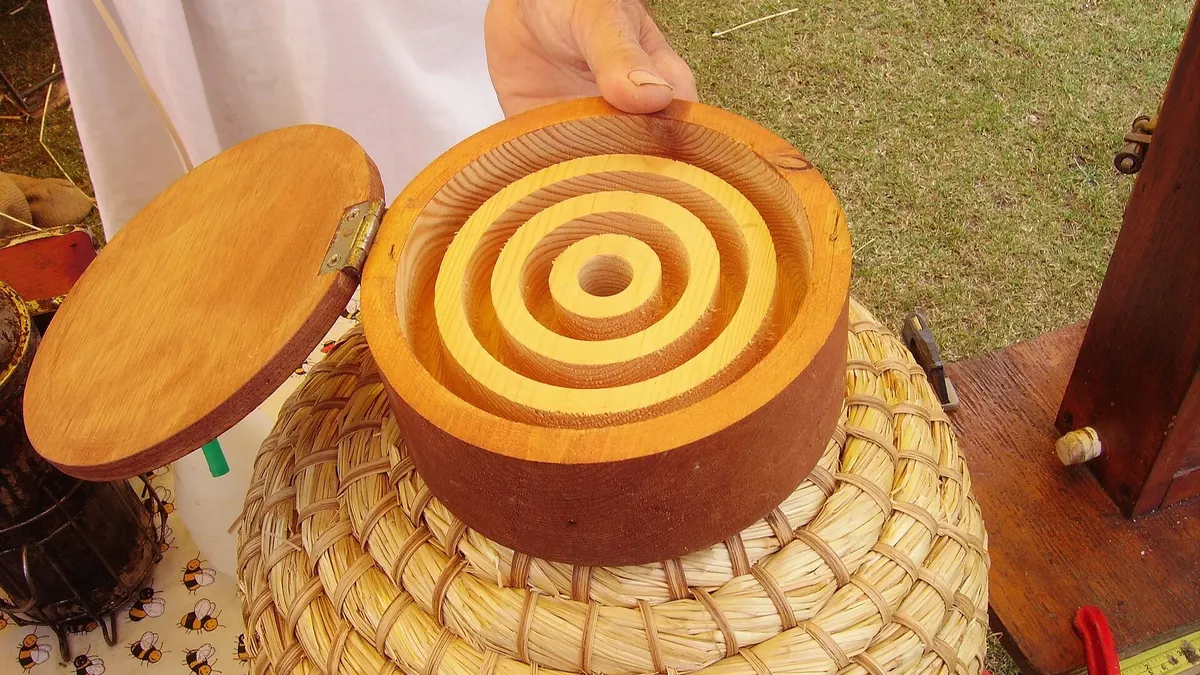
Best Bee Feeders of 2026: Top, Frame, Round and Entrance Feeders Compared
Seven feeders across four types compared on capacity and placement, with when and what to feed from the extension guides.