
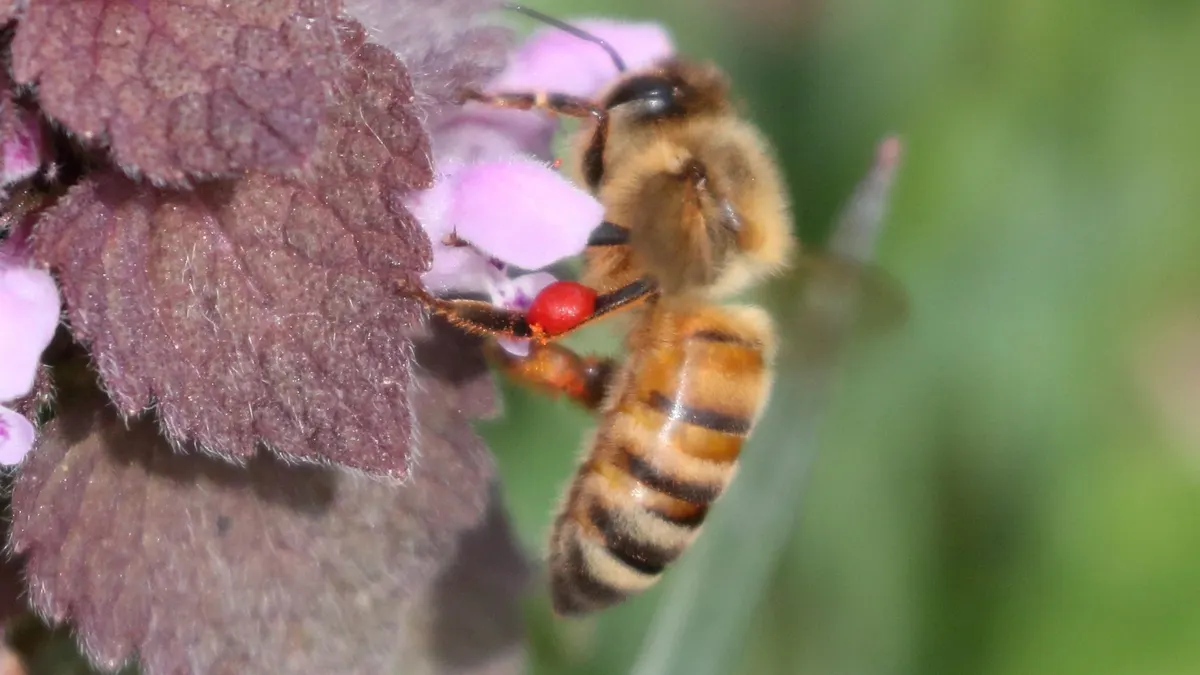
Varroa Mite Treatments Compared: Apivar, Formic, Oxalic and Thymol
Affiliate disclosure: product links on this page go to Amazon, or to the maker's own store for brands that sell only direct. As an Amazon Associate we earn from qualifying purchases, at no extra cost to you; a link to a maker's store earns us nothing. No retailer or brand sees our picks before they are published or has any say in them. How we choose.
The best varroa mite treatment depends on two things you can check before you open a box: whether honey supers are on, and how much capped brood is in the colony. With supers on in warm weather, a formic acid strip (Formic Pro or Mite Away Quick Strips) is the main option, because formic acid reaches mites under the cappings and its label allows supers. With supers off in spring or after harvest, Apivar 2.0 (amitraz) or Apiguard (thymol). In a broodless window (winter, a package, a swarm), oxalic acid by dribble or vapor.
Every figure below comes from the product's EPA-registered label or the Honey Bee Health Coalition's Tools for Varroa Management (8th edition). The label in the box is the law: using a miticide in a way the label does not allow is a violation of federal law, and labels change. Count mites first, treat at 2 to 3 percent, and count again after treatment.
The treatments side by side
| Product | Active ingredient | How long | Temperature | Honey supers on? |
|---|---|---|---|---|
| Apivar 2.0 | Amitraz | At least 42 days; 70 days if brood is present (70 max) | No limit stated | No; supers can go on as soon as strips come out |
| Apivar (original) | Amitraz | 42 days, up to 56 | No limit stated | No; wait 14 days after removal |
| Apiguard | Thymol | Two trays, two weeks apart | Above 59 and below 105 °F (HBHC) | No |
| Formic Pro | Formic acid | 2 strips for 14 days, or 1 strip for 10 days then another for 10 | Daytime high 50 to 85 °F on application day | Yes |
| Mite Away Quick Strips | Formic acid | 2 strips for 7 days, or 1 strip then a second 14 days later (21 days) | Daytime high 50 to 85 °F on application day | Yes |
| Api-Bioxal | Oxalic acid | One dribble or vapor application | Not stated; use when little or no brood | Yes |
| VarroxSan | Oxalic acid strips | 42 to 56 days | Not stated on the label | Yes, with at least one box between strips and honey to be extracted |
| HopGuard 3 | Hop beta acids | 14 days, no later than 30 | Above 55 and below 100 °F | Yes; strips in the brood chamber only |
Two older strips, Apistan (tau-fluvalinate) and CheckMite+ (coumaphos), are still sold, but the HBHC guide lists them among the least effective options because mite resistance to both "is well documented." They also leave residues in wax. Skip them.
How well each one works
These are the effectiveness ranges the makers reported to the Honey Bee Health Coalition. They are best-case figures under label conditions, which is why a mite count after treatment matters more than any number in this table.
| Product | Registrant-reported effectiveness (HBHC) | Main weakness |
|---|---|---|
| Apivar | Up to 95% | Slow knockdown; resistance where amitraz has been used for several seasons |
| Apiguard | 74 to 95% (better when warm) | Temperature window; may slow the queen's laying |
| Formic Pro | 83 to 97% | Heat: queen and brood losses above 92 °F |
| Mite Away Quick Strips | 61 to 98% | Same heat risk as Formic Pro |
| Oxalic acid (Api-Bioxal) | 82 to 99% with no brood present | Does not reach mites in capped brood |
| HopGuard 3 | 75 to 95% | Works only while the strips are wet; best with little sealed brood |
Which to use, by season
Spring, before the supers go on
Apivar 2.0, Apiguard or a formic strip all fit here, but timing decides. Apivar 2.0 needs at least 42 days and 70 if there is brood, and the label says to remove all strips before the honey flow starts. If your flow is less than six weeks away, use a formic strip instead, because formic is the one chemistry the HBHC guide lists as "legally permitted when colonies are supered" in this phase.
Summer, supers on
This is formic acid's season, with one catch: heat. The Formic Pro label wants daytime highs between 50 and 85 °F on the day you apply it and warns that 92 °F during the first three days "may lead to excessive bee, brood and queen loss." The colony must be at least 10,000 bees covering about six deep frames, the bottom entrance must be fully open, and you should check that the colony is queenright a month later. In a hot spell, VarroxSan strips (permitted with supers on, kept one box away from honey you will extract) or HopGuard 3 (labelled up to 100 °F) are the alternatives.
Late summer and fall, after harvest
This is the treatment that decides whether the colony sees spring, because the colony is raising its winter bees. Once the honey is off, every option is open: Apivar 2.0, Apiguard while it is still above 59 °F, Formic Pro, or VarroxSan. The HBHC guide rates Apivar, the formic strips, the thymol products and HopGuard as highly effective in this phase. The seasonal calendar shows where this falls in your year.
Winter, or any broodless window
Oxalic acid kills mites riding on adult bees but not the ones sealed in brood, so it is a treatment for broodless colonies: midwinter in the North, a new package, a swarm, or a colony between queens. The Api-Bioxal label gives three methods:
- Dribble: dissolve 35 g in 1 liter of 1:1 sugar syrup and trickle 5 ml onto the bees in each occupied space between frames, up to 50 ml per colony.
- Vapor: 4.0 g per brood chamber in a vaporizer through a restricted bottom entrance, outdoor colonies only, upper entrances taped shut.
- Package spray: 3.0 mL of the 2.8% solution per 1,000 bees, after spraying them with plain syrup at least two hours earlier.
Note the vapor dose: the 2022 HBHC guide gives 1 g per hive box, and the current Api-Bioxal label (dated May 6, 2026) says 4.0 g per brood chamber. The label is the one to follow. Vapor is also the most hazardous method for the beekeeper; the label requires a respirator, chemical-resistant gloves and eye protection, and our protective gear guide covers what a bee suit does not.
Rotate the chemistry
Using one active ingredient over and over selects for mites that survive it, which is how Apistan and CheckMite+ lost their place. The HBHC guide recommends Apivar no more than twice a year and rotating with products that work a different way, and the HopGuard 3 label says to switch mode of action before returning to one you have used. A simple rotation is amitraz in spring, formic acid in summer, and oxalic acid in the broodless window, with a mite count after each.
Count before and after
Treat on a count, not on the calendar. An alcohol wash of about 300 bees from a brood frame gives a percentage; the HBHC treatment threshold is 2 to 3 percent in most of the season and 1 percent when the colony is dormant. Our varroa monitoring guide covers the wash cup and the thresholds by season, and the colony loss tracker shows how often beekeepers report varroa as a stressor. If the count after treatment has not dropped, suspect resistance or a label condition that was not met, and switch chemistry.
What to skip
- Homemade amitraz or oxalic mixes and products not labelled for honey bees in the US: the HBHC guide calls unregistered chemicals illegal.
- Powdered sugar dusting and mineral oil as treatments: the HBHC guide finds "little evidence" either affects mite populations.
- A screened bottom board or drone brood removal as your only control: both lower counts but are not treatments on their own.
- Feeding during a formic acid treatment: both formic labels say not to feed in the hive while the strips are in.
Frequently asked questions
What is the most effective varroa mite treatment?
No single product wins in every season. By the figures makers reported to the Honey Bee Health Coalition, oxalic acid reaches 82 to 99% with no brood present, Formic Pro 83 to 97%, and Apivar up to 95%. The right choice depends on brood, temperature and whether honey supers are on.
Which varroa treatments can I use with honey supers on?
Formic Pro, Mite Away Quick Strips, Api-Bioxal, HopGuard 3 and VarroxSan are labelled for use with supers on (VarroxSan with at least one box between the strips and honey you will extract). Apivar, Apivar 2.0 and Apiguard must not be used with supers on.
When should I treat for varroa mites?
When an alcohol wash of about 300 bees shows 2 to 3 percent or more during the active season, or 1 percent in the dormant season (Honey Bee Health Coalition). Late summer matters most, because the colony is raising its winter bees then.
How long do Apivar strips stay in the hive?
Apivar 2.0 stays in for at least 42 days, and 70 days if brood is present, with a 70-day maximum. Original Apivar stays in for 42 days, up to 56, and needs a 14-day wait before supers go on; Apivar 2.0 has no wait.
Does oxalic acid work when there is brood?
Not well. The Api-Bioxal label says it will not control mites in capped brood and should be used when little or no brood is present. With brood present, the label refers you to state guidelines, because several treatments days apart are needed.
How much oxalic acid do I put in a vaporizer?
The current Api-Bioxal label (dated May 6, 2026) says 4.0 g per brood chamber, applied through a restricted bottom entrance on outdoor colonies only. Older guides give 1 g; follow the label on the package you bought.
Are Apistan and CheckMite still worth using?
No. The Honey Bee Health Coalition lists them among the least effective options because mite resistance to tau-fluvalinate and coumaphos is well documented, and both leave residues in wax.
Sources
- Tools for Varroa Management, 8th edition (2022), Honey Bee Health Coalition
- Apivar 2.0 label, EPA Reg. No. 87243-5, US EPA / Veto-pharma
- Apivar label, EPA Reg. No. 87243-1, US EPA / Veto-pharma
- Formic Pro label, EPA Reg. No. 75710-3, US EPA / NOD Apiary Products
- Mite Away Quick Strips label, EPA Reg. No. 75710-2, US EPA / NOD Apiary Products
- Api-Bioxal label, EPA Reg. No. 73291-2 (dated May 6, 2026), US EPA / Chemicals Laif
- VarroxSan label, EPA Reg. No. 94413-3, US EPA / Vita Bee Health
- HopGuard 3 label, EPA Reg. No. 83623-2, US EPA / BetaTec
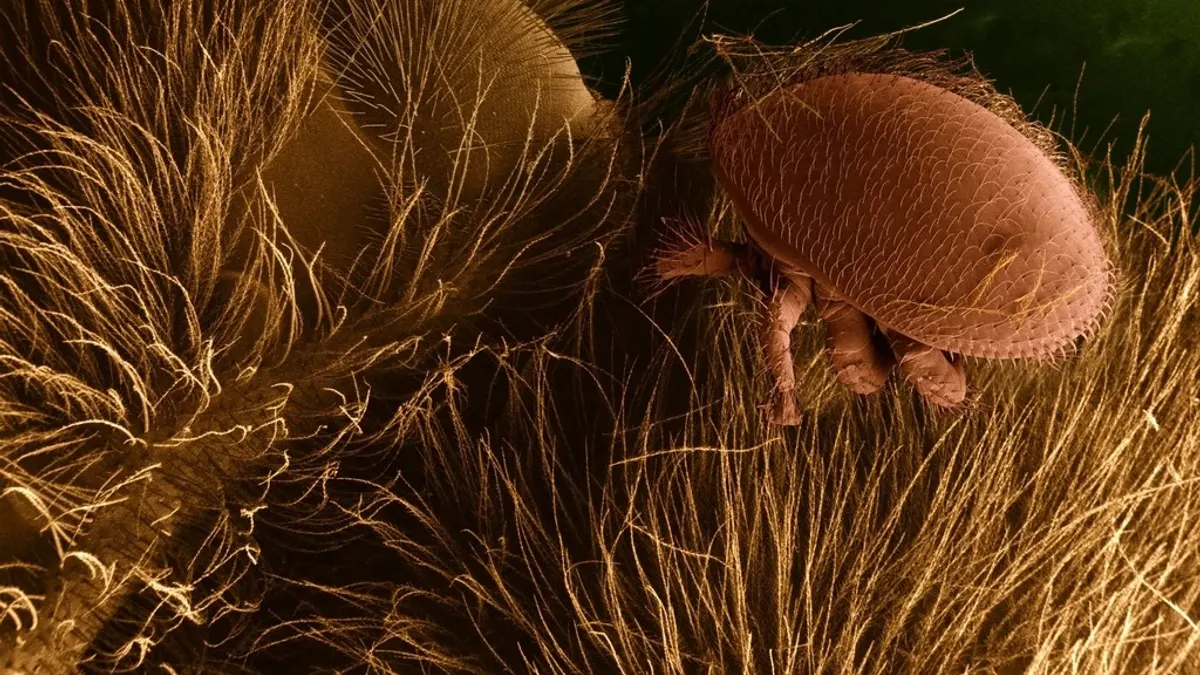
Cover photo: Varroa destructor by Seth Wollney, CC BY 4.0, via inaturalist. Cropped.
Related guides
Beekeeping Seasonal Calendar: What to Do Each Season, From the Extension Guides
The year in five seasons from the extension guides: feeding, inspections, mite counts, supers, harvest, winter prep, and the gear for each.
Best Small Hive Beetle Traps of 2026: Oil Traps and Screened Bottom Boards
Three in-frame oil traps and two screened bottom boards, with UF/IFAS's integrated beetle management and what goes in the trap.
Best Varroa Mite Monitoring Kits and Treatments of 2026: EasyCheck and Labels
Two EasyCheck washers, the HBHC thresholds by season, and four labelled treatments with their timing, temperature and super rules.