
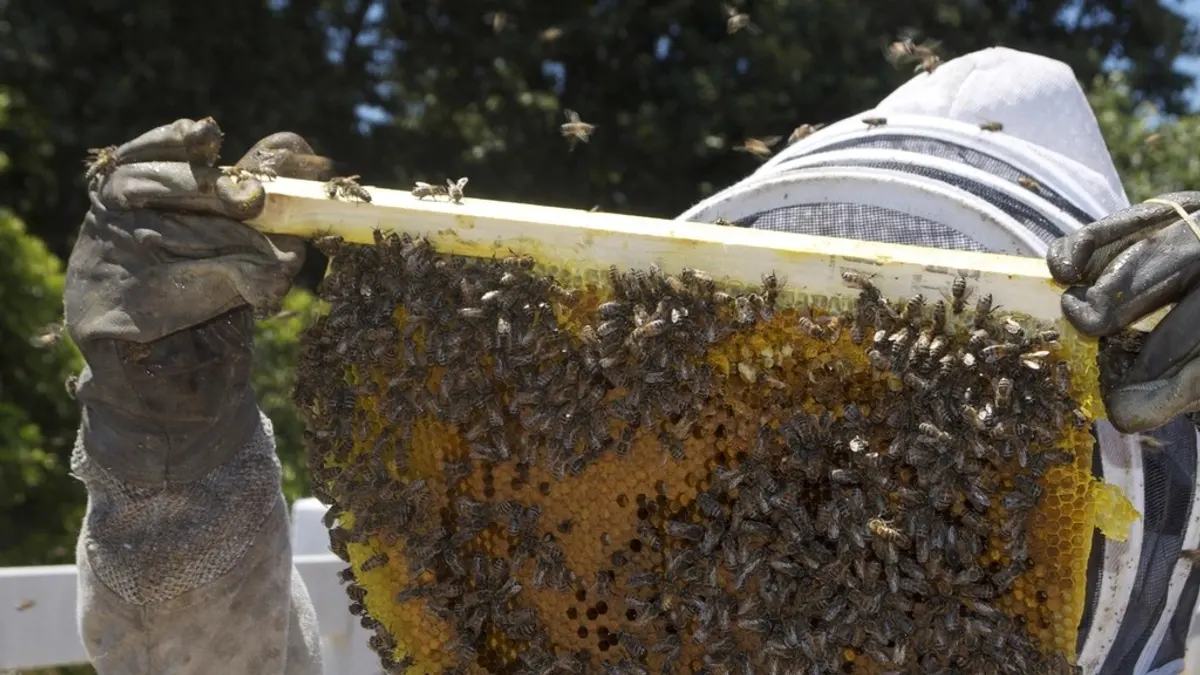
Beekeeping Protective Gear Guide: What a Veil, Suit and Gloves Have to Do
Affiliate disclosure: product links on this page go to Amazon, or to the maker's own store for brands that sell only direct. As an Amazon Associate we earn from qualifying purchases, at no extra cost to you; a link to a maker's store earns us nothing. No retailer or brand sees our picks before they are published or has any say in them. How we choose.
Protective gear for beekeeping is a veil that keeps mesh off the face, fabric a stinger does not reach skin through, closures at the neck, wrists and ankles, and gloves whose cuffs cover the sleeve. This guide is how each part works and how each part fails, which garment suits which job, what the suppliers and the extension 4-H manuals say about colour and washing, and, kept to what the medical sources say, what to know about stings and allergy. The product picks are in the suit, jacket and veil and gloves guides; the USKeepers three-layer suit, jacket and the FBSupply gloves are the three this guide refers back to.
Our top picks at a glance
1. Full cover
USKeepers 3-Layer Ventilated Bee Suit with Two Veils and GlovesCovers: Head to ankle · Fabric: Three layers of poly-cotton mesh (per the Amazon listing) · Price: $130
2. Routine cover
USKeepers 3-Layer Ventilated Bee Jacket with Two Veils and GlovesCovers: Head to waist, arms · Fabric: Three layers of poly-cotton mesh (per the Amazon listing) · Price: $80
3. Hands and forearms
FBSupply Goatskin Beekeeping Gloves with Long Canvas SleevesCovers: Hands to elbow · Fabric: Goatskin and canvas (per the Amazon listing) · Price: $18
| Pick | Covers | Fabric | Price | Buy |
|---|---|---|---|---|
| USKeepers 3-Layer Ventilated Bee Suit with Two Veils and GlovesFull cover | Head to ankle | Three layers of poly-cotton mesh (per the Amazon listing) | $130 | Amazon |
| USKeepers 3-Layer Ventilated Bee Jacket with Two Veils and GlovesRoutine cover | Head to waist, arms | Three layers of poly-cotton mesh (per the Amazon listing) | $80 | Amazon |
| FBSupply Goatskin Beekeeping Gloves with Long Canvas SleevesHands and forearms | Hands to elbow | Goatskin and canvas (per the Amazon listing) | $18 | Amazon |
Full cover
USKeepers 3-Layer Ventilated Bee Suit with Two Veils and Gloves
Head to ankle in three-layer mesh with two veils and gloves: the garment for harvest and defensive colonies.
- Covers
- Head to ankle
- Fabric
- Three layers of poly-cotton mesh (per the Amazon listing)
- Price
- $130
- Veil
- Fencing and round, detachable (per the Amazon listing)
Pros
- Mesh stack holds the surface off the skin
- Both veil styles
- Gloves included
Cons
- $130
- Bulky
- Listing figures only
The suit in our suit guide: three-layer mesh, two veils, gloves, YKK brass zippers, per its listing. It is the garment for the days a jacket is not enough.
Routine cover
USKeepers 3-Layer Ventilated Bee Jacket with Two Veils and Gloves
The same mesh and veils as a jacket, for inspections of calm colonies in long trousers and boots.
- Covers
- Head to waist, arms
- Fabric
- Three layers of poly-cotton mesh (per the Amazon listing)
- Price
- $80
- Veil
- Fencing and round, detachable (per the Amazon listing)
Pros
- Faster on and off
- Same fabric as the suit
- Gloves included
Cons
- Legs uncovered
- Hem rides up when bending
- Listing figures only
The jacket in our jacket guide: what most hobby beekeepers wear for most inspections.
Hands and forearms
FBSupply Goatskin Beekeeping Gloves with Long Canvas Sleeves
Goatskin hands with canvas cuffs to the elbow and elastic at the top, worn over the sleeve.
- Covers
- Hands to elbow
- Fabric
- Goatskin and canvas (per the Amazon listing)
- Price
- $18
- Veil
- Not applicable
Pros
- Thin leather for feel
- Long cuffs close the wrist
- Sized
Cons
- Hot in summer
- Cuff length not stated in inches
- Listing figures only
The gloves in our gloves guide; the vented pair and the nitrile alternative are there too.
The veil
A bee stings through mesh that touches skin, so a veil's whole job is to hold mesh away from the face. Fencing veils do it with a rigid insert at the top and a hood shape (USKeepers states the insert); round veils do it with a brim. A veil fails when it is crushed in storage, pushed back by a branch, or pressed against a cheek while looking down into a box. Check the shape before each inspection. The second failure is the join: the zipper between veil and jacket needs a flap or strap over it (USKeepers states a Velcro strap) and the pulls must close with no gap.
The fabric
Two designs. Single-layer cotton or poly-cotton protects where it hangs loose, because a stinger reaches skin only where the fabric is tight against it; a single-layer suit is bought a size up and worn over clothes. Three-layer mesh (Ultra Breeze's design, made in the USA; USKeepers' version) holds the outer surface off the skin with two layers of spacer mesh and lets air through, which is why it gets worn in July. Humble Bee's 430 suit is a 280 gsm poly-cotton with 220 gsm vent panels, a middle route. None of these is called sting-proof by us, whatever the listing titles say.
Closures
Elastic at the wrists and ankles, a zipper that closes to the neck or over the head, and gloves with cuffs that go over the sleeve. The wrist is where most arm stings start; thumb straps on the jacket (BP-301), long canvas glove cuffs with elastic (every glove in our guide) or gloves sewn to the suit (LONGADS) close it. Trouser legs go into boots or over them with elastic.
Gloves
Goatskin for leather (thin, supple; every supplier uses it); cuffs past the elbow; a snug fit so the hands do not crush bees, because a crushed bee releases alarm pheromone and brings more. Nitrile exam gloves are the experienced beekeeper's alternative for feel and because nothing from the last sting stays in them; a sting reaches the hand through nitrile.
Colour and smell
Every supplier garment is white or tan; UF/IFAS's 4-H book tells young beekeepers to wear light colours, and the usual explanation is that dark, fuzzy things resemble the animals that raid hives. Wash gear after stings: the alarm pheromone left at a sting site draws the next bee. Avoid scented products before an inspection.
What to wear for which job
| Job | Gear | Why |
|---|---|---|
| Routine inspection, calm colony | Jacket with veil, gloves or nitrile, long trousers, boots | Short, in the brood nest only |
| Installing a package or nuc | Jacket with veil, gloves | Packages are docile (Penn State); the veil is for the stray |
| Honey harvest | Full suit, leather gloves | Robbing pressure and a long time in the hive |
| A colony that has stung before | Full suit, leather gloves, smoker lit before approach | Defensiveness persists for days |
| Mite wash, treatments | Jacket, gloves per the treatment label (Formic Pro and oxalic acid labels specify gloves) | The label's PPE is the law |
| Mowing near the hives | Veil at minimum | Vibration and exhaust provoke guards |
Stings and allergy
This section repeats what the medical and extension sources say and adds nothing. The American Academy of Allergy, Asthma and Immunology describes two kinds of reaction: local (pain, swelling at the site, normal) and systemic (hives away from the site, swelling of the face or throat, difficulty breathing, dizziness), which is a medical emergency, and it says that someone who has had a systemic reaction is at risk of another and should see an allergist about testing and venom immunotherapy; epinephrine auto-injectors are prescribed for that group. Ohio State's fact sheet on honey bee stings covers first aid: scrape the stinger out at once rather than pinching it, wash, cold pack. The University of Georgia's stings page says the same and adds that beekeepers get stung and that an emergency plan belongs in the apiary.
What follows from that for a new beekeeper: if you have ever had a systemic reaction to any insect sting, see an allergist before buying bees, not after. Keep a phone in the yard. Tell someone where you are. Gear reduces stings; it does not end them, and nobody on this site calls a garment sting-proof.
Care
Hand wash unless the label says otherwise (VIVO's listing says hand wash; the others do not say). Store veils so the rigid insert is not crushed. Wipe propolis off gloves while warm. Replace a veil whose mesh has a hole the day you find it.
Frequently asked questions
What protective gear do I need to start beekeeping?
A veil that holds mesh off the face, a jacket or suit, and gloves with cuffs past the elbow. A jacket with veil ($80 for the USKeepers three-layer) covers routine inspections; a suit ($130) is for harvest and defensive colonies.
Can bees sting through a bee suit?
Through single-layer fabric pulled tight against skin, yes, which is why single-layer suits are worn loose. Three-layer mesh holds the surface off the skin. No garment stops every sting.
Why do beekeepers wear white?
Every supplier garment is white or tan and the UF/IFAS 4-H manual tells beekeepers to wear light colours; dark, fuzzy clothing is what bees respond to. Light colours are also cooler.
What should I do if I get stung?
Scrape the stinger out at once rather than pinching it, wash the site and use a cold pack (Ohio State Extension). Hives away from the site, facial or throat swelling, breathing difficulty or dizziness are a systemic reaction and a medical emergency (AAAAI).
Should I keep bees if I am allergic to stings?
Anyone who has had a systemic reaction to a sting should see an allergist before getting bees; the AAAAI describes venom testing and immunotherapy for that group. This site gives no medical advice beyond pointing to those sources.
How do I wash beekeeping gear?
By hand unless the label says machine wash. Wash after any sting to remove alarm pheromone, and store the veil so its rigid insert is not crushed.
Sources
- Stinging Insect Allergy, American Academy of Allergy, Asthma & Immunology
- Honey Bee Stings (AEX-892203), Ohio State University Extension
- Stings (Honey Bee Program), University of Georgia Honey Bee Program
- Welcome to the Apiary! Honey Bee 4-H Project Book (4H446), UF/IFAS Extension
- Installing Packaged Bees, Penn State Extension
- Ultra Breeze Beekeeping Suit, Ultra Breeze
- Humble Bee 430 Ventilated Beekeeping Suit with Round Veil, Humble Bee
Related guides
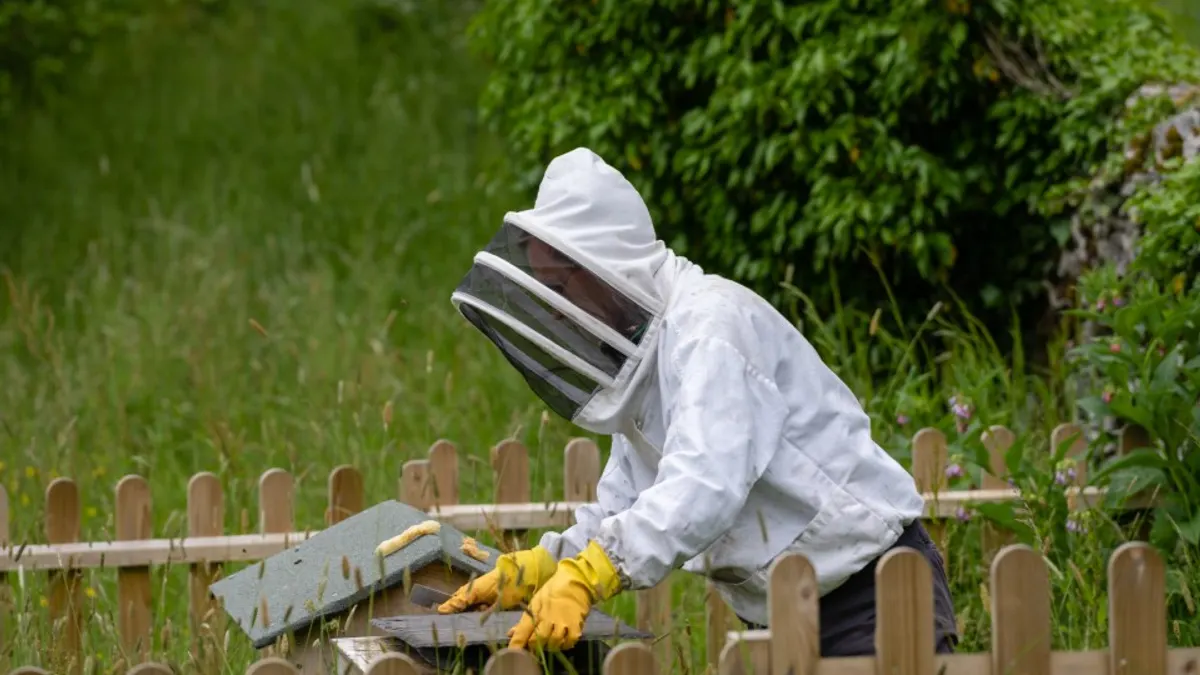
Best Bee Suits of 2026: Three-Layer Ventilated, Cotton and Budget Suits Compared
Three full suits and a jacket alternative, compared on fabric layers, veil type, gloves and price, and what a veil has to do.
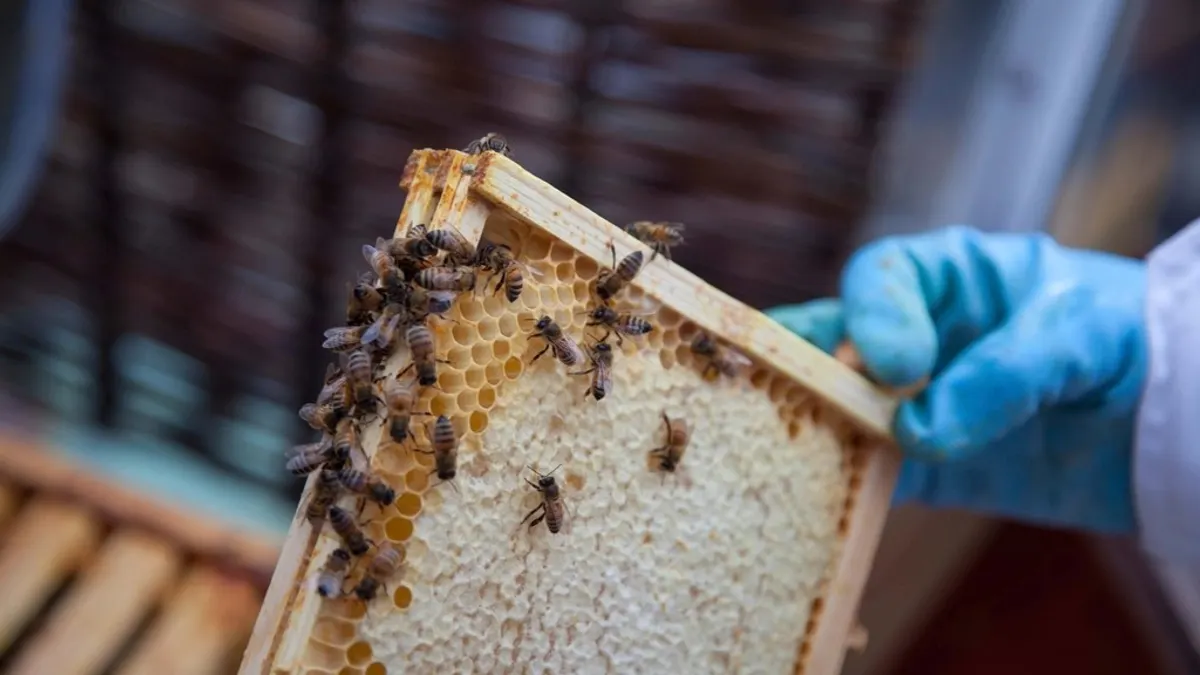
Best Beekeeping Gloves of 2026: Goatskin Gauntlets, Vented and Budget Pairs
Three goatskin gauntlets compared on leather, cuff length, venting, sizes and price, and when nitrile gloves are the better choice.
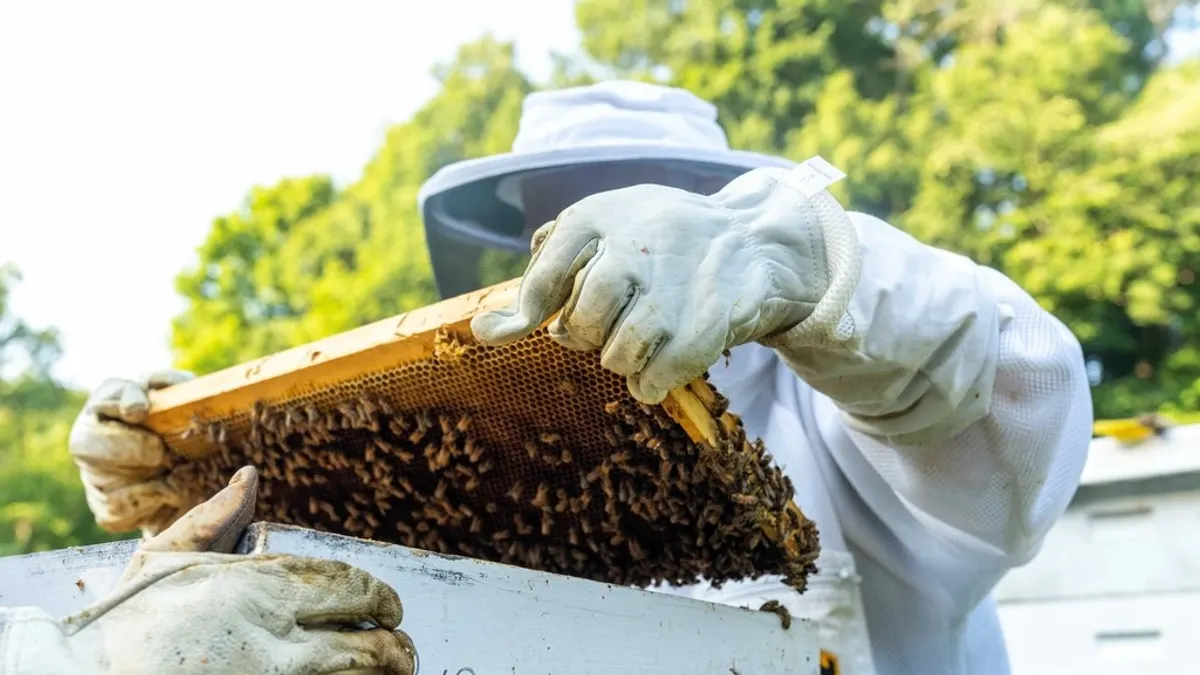
Best Beekeeping Jackets and Veils of 2026: Fencing, Round and Three-Layer
Two ventilated jackets and two suit alternatives compared on fabric, veil type, closures and price, plus how veils fail.